
Every project is a collaboration.
I work with owners, operators and teams to create spaces that are thoughtful, commercially sound and grounded in how people actually use them. The work is structured, but never rigid. Each stage builds on the last, with clarity and intent guiding every decision.

For projects moving into full design, this stage creates the shared understanding needed to move forward seamlessly. It is about aligning on what matters most before decisions are made, ensuring the design responds to the realities of your business, your guests and your long-term goals. It sets the foundations for every decision and helps to avoid costly mistakes.
Some clients arrive here having already explored their direction. Others need space to unpack it together. Either way, this stage brings focus, confidence and a clear foundation for the work ahead.
This stage may include:
Understanding operational flow and guest experience
Reviewing opportunities, constraints and future plans
Establishing clear design intent and priorities
Shaping a brief that supports confident decision making
Site review and spatial analysis

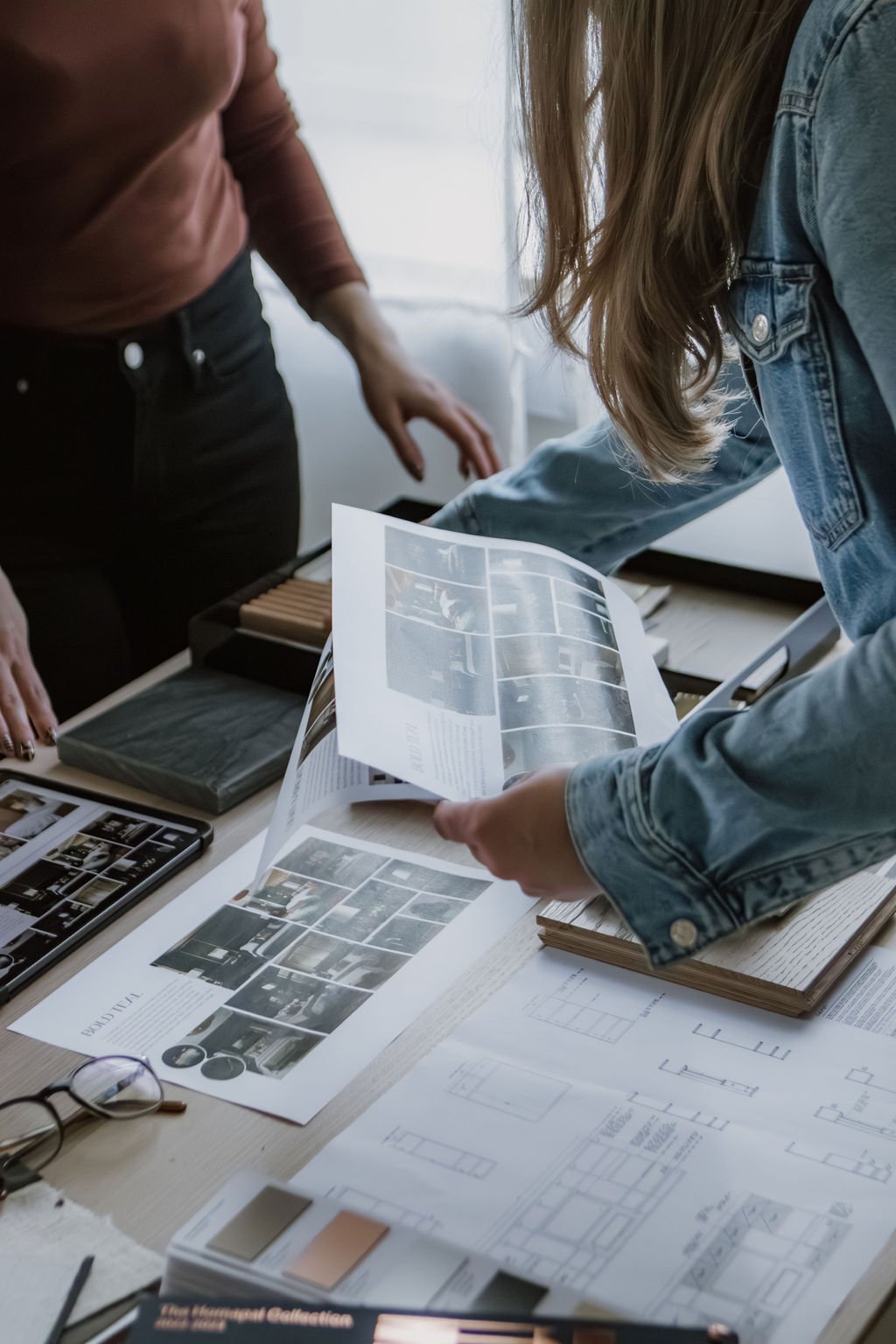
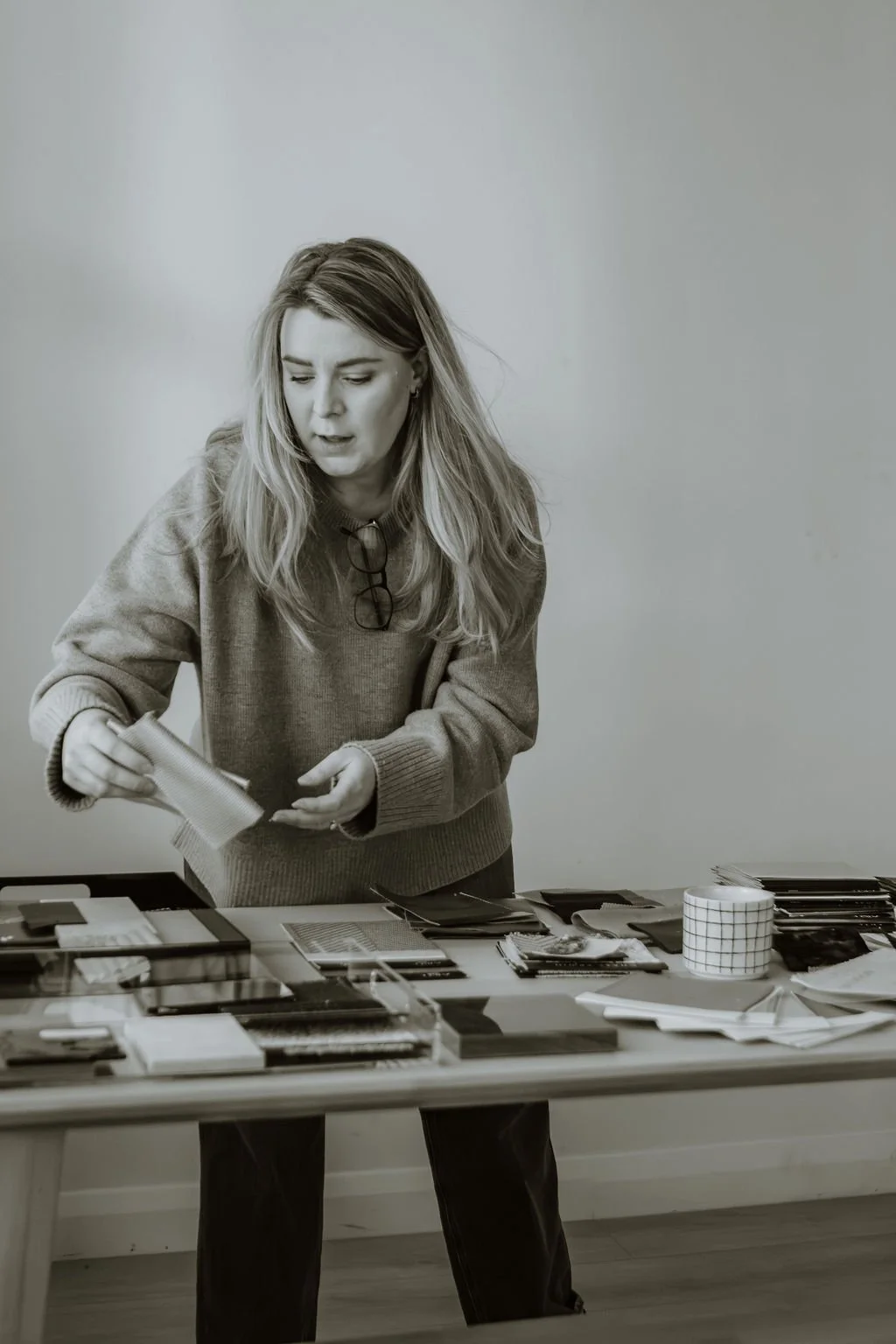

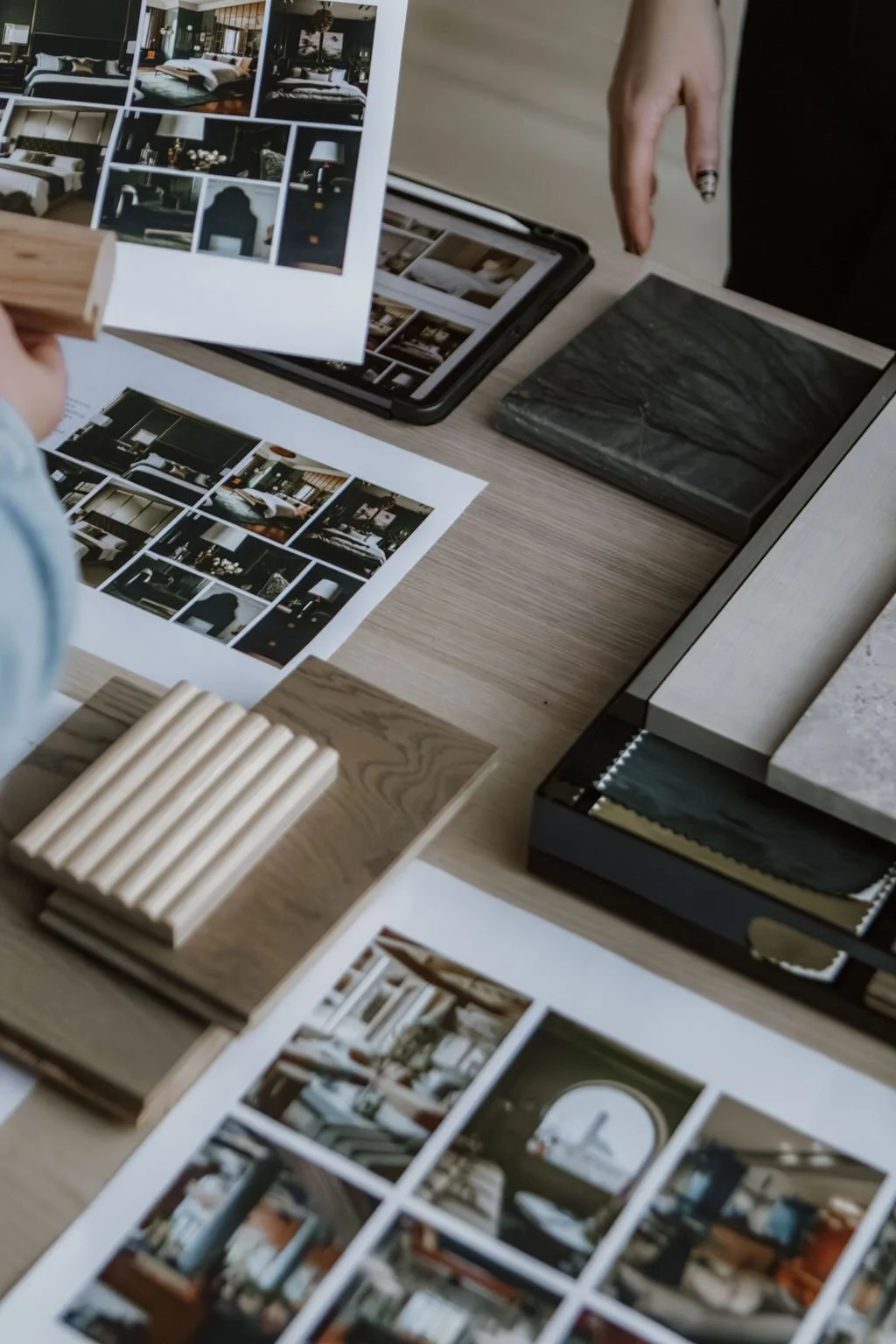
Design should never exist in isolation. This is where insight becomes direction. The concept phase translates what we know into a considered design approach that feels right for the space, the audience and the brand.
Rather than chasing trends, the focus is on longevity, relevance and atmosphere. Layout, materiality and tone are developed hand in hand to create a coherent story that supports both experience and performance.
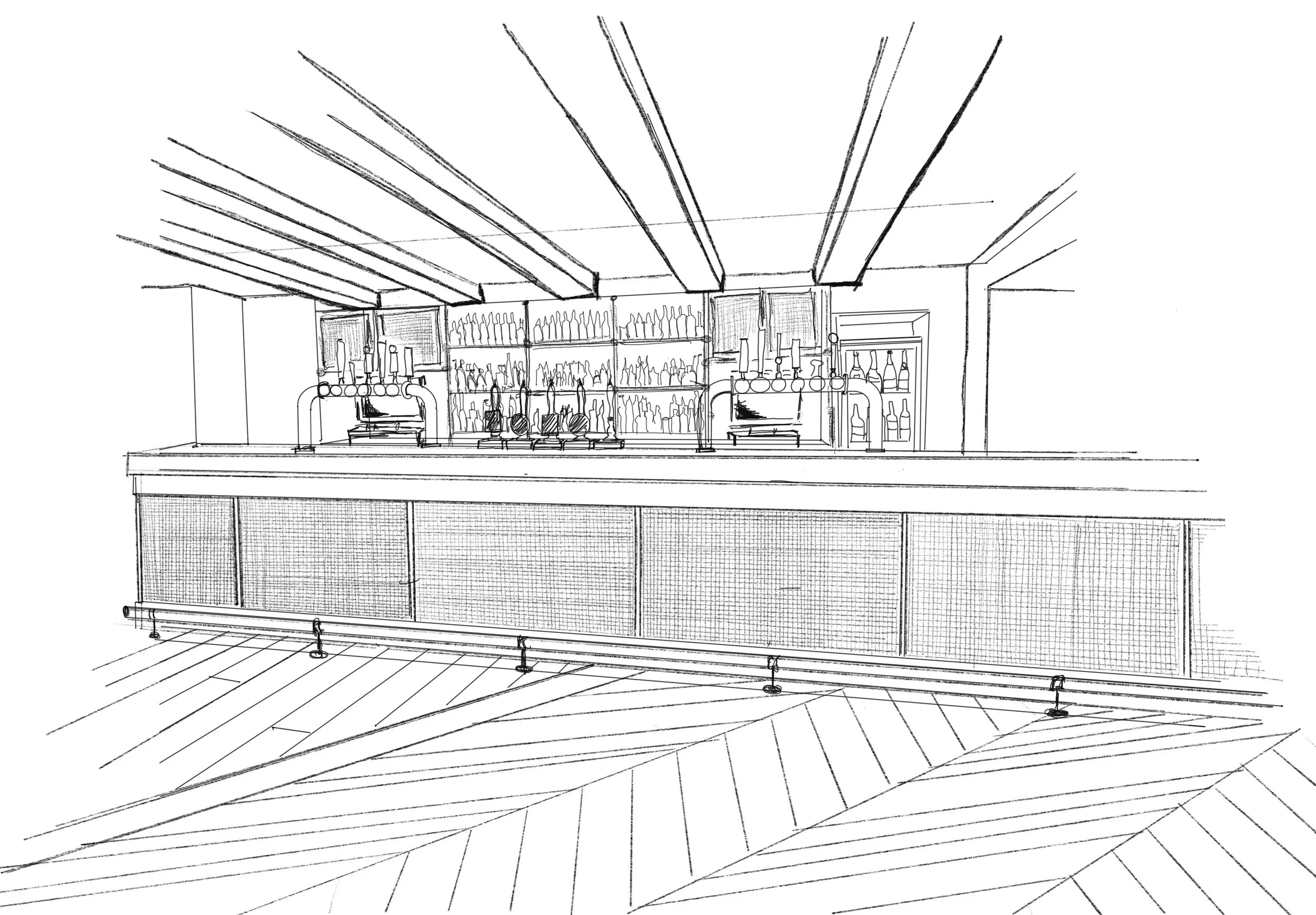
This stage may include:
Spatial zoning and layout development
Overall design concept and narrative
Look and feel, colour and material direction
Furniture, lighting and joinery intent
Concept visuals and story telling
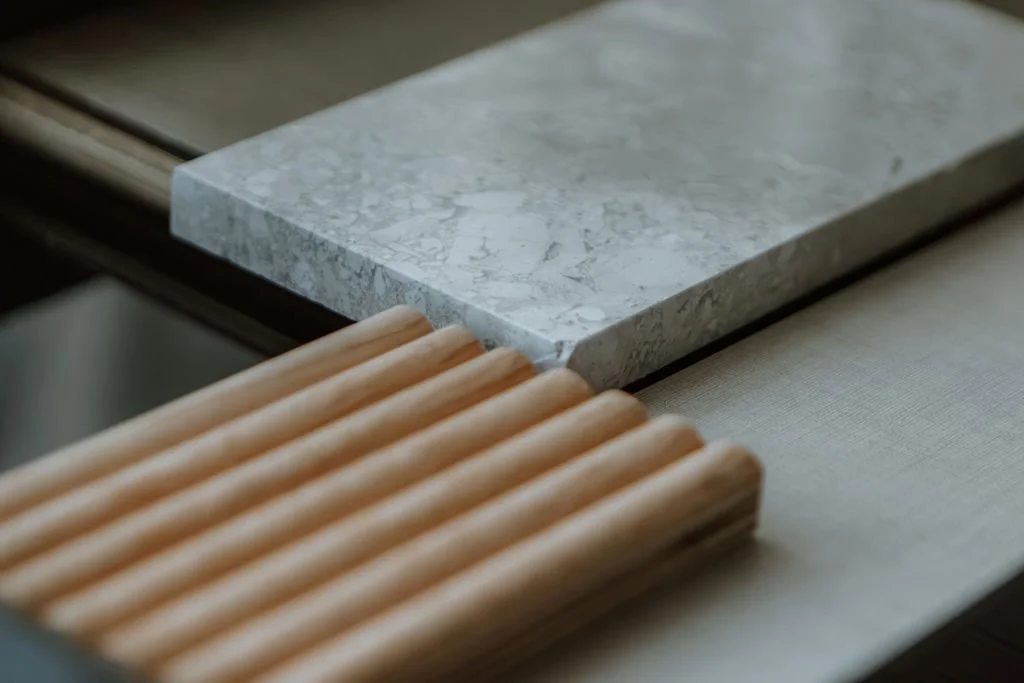
Strong concepts rely on strong detail. At this stage, ideas are refined, tested and resolved so that they work in practice as well as on paper. Every decision considers durability, maintenance, accessibility, ease of use and how the space will operate day to day.
Clear, well-considered information at this point helps support smoother costing, procurement and delivery, reducing uncertainty later on.
This stage may include:
Detailed drawings and design pack
Finishes, fittings and materials specification and procurement
Bespoke joinery and furniture details
Compliance and practical considerations integrated into design
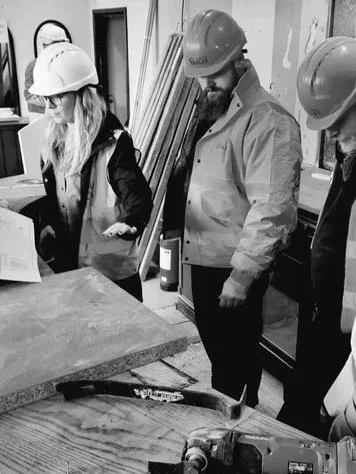

Design intent matters most when it reaches the real world. This stage offers continuity between concept and completion, helping ensure the space delivered reflects the thinking behind it.
The level of involvement here varies by project. Some clients value ongoing support through build. Others prefer a lighter touch. The approach is always shaped to suit the project and the team involved.
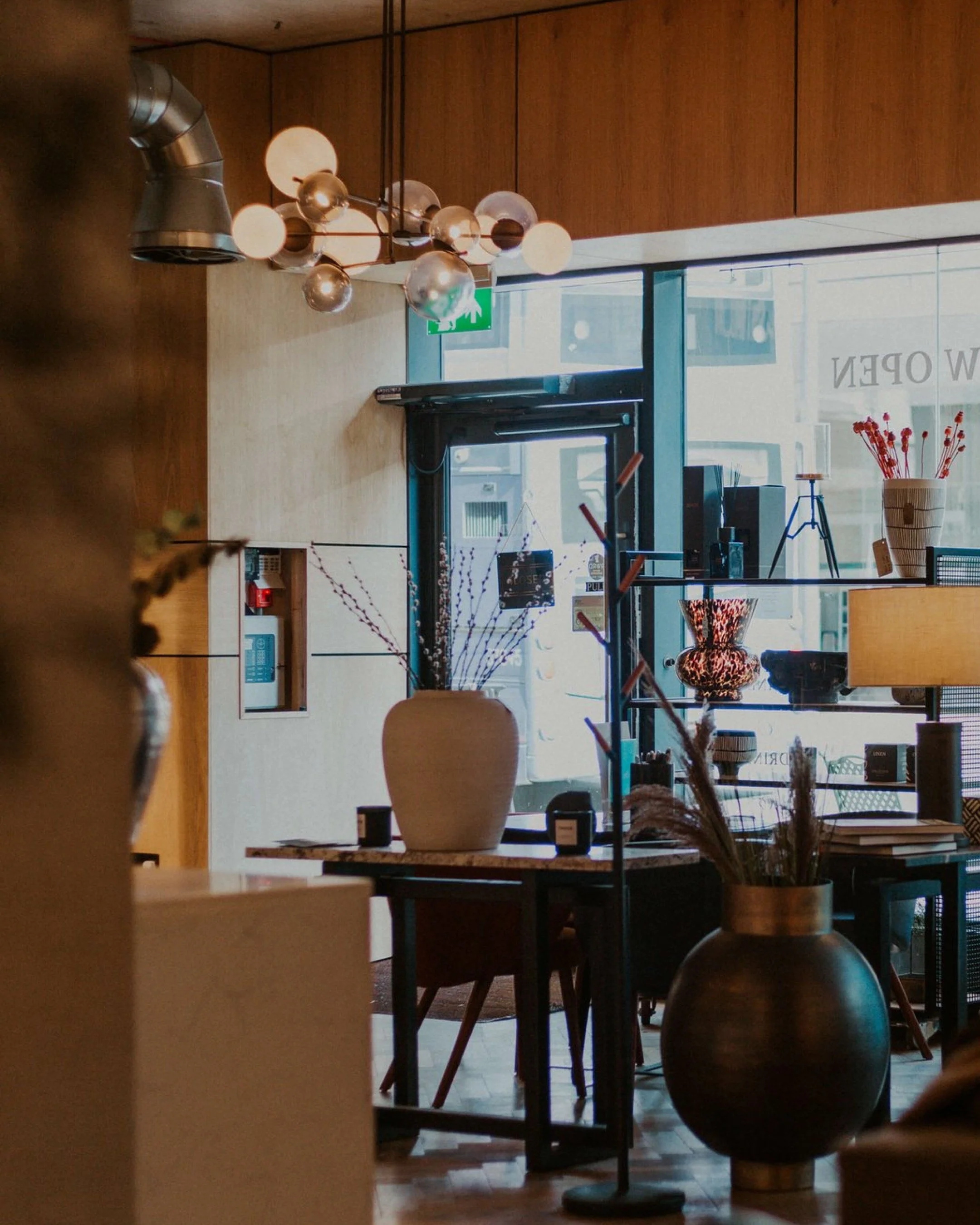
This stage may include:
Spatial zoning and layout development
Overall design concept and narrative
Look and feel, colour and material direction
Furniture, lighting and joinery intent
Concept visuals and story telling
If this approach resonates, the first step is simply a conversation.
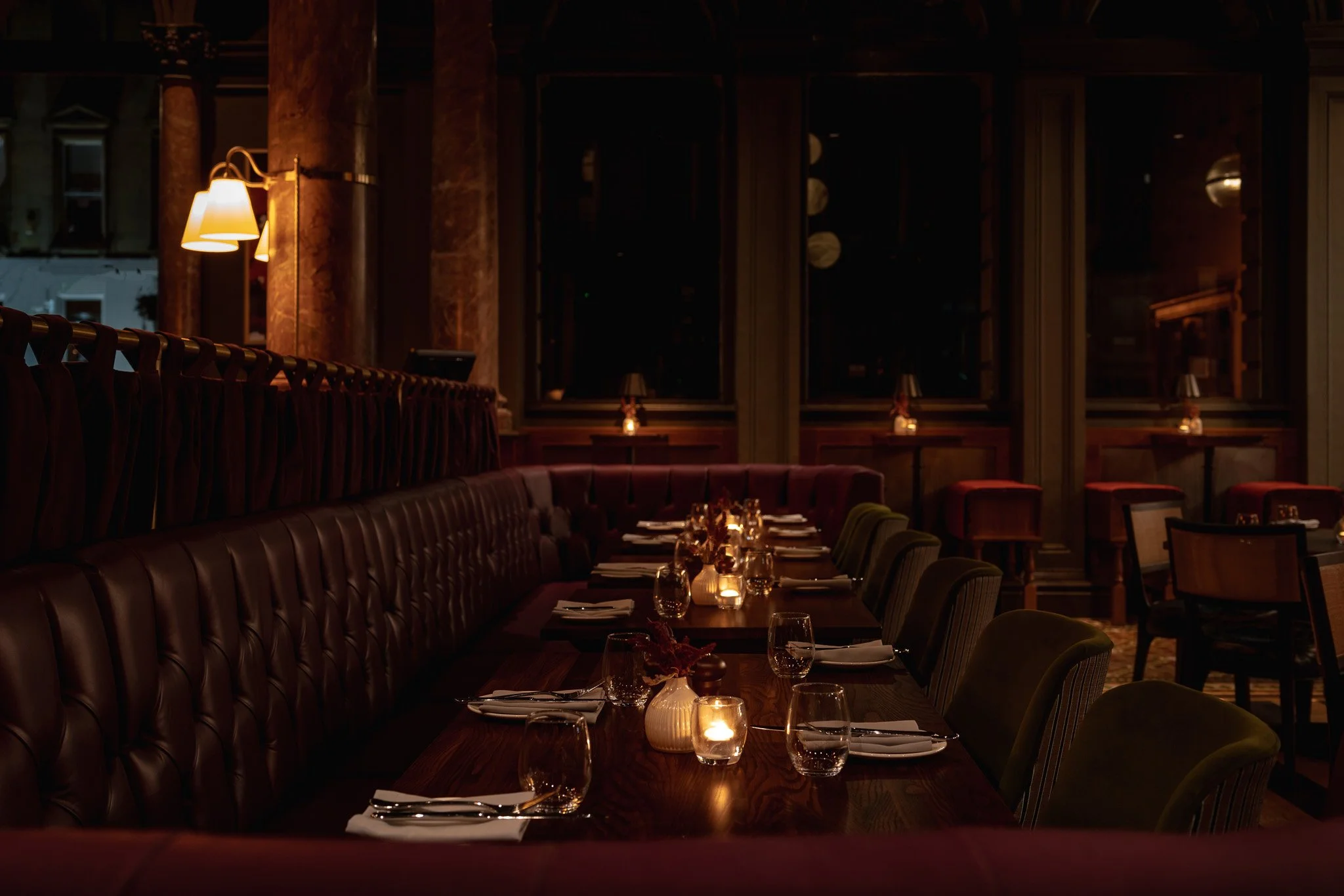
Clarity before commitment
Not every project starts with a full commitment. Sometimes what’s needed first is time and space to think things through.
For clients who want clarity before moving forward, I offer a focused, intentional and strategic session designed to help define priorities, surface ideas and opportunities and bring confidence to next steps. It can stand alone, or act as a natural stepping stone into a wider project when the time feels right.
There’s no pressure to move beyond this. It’s simply a way to pause, reflect and gain clarity.